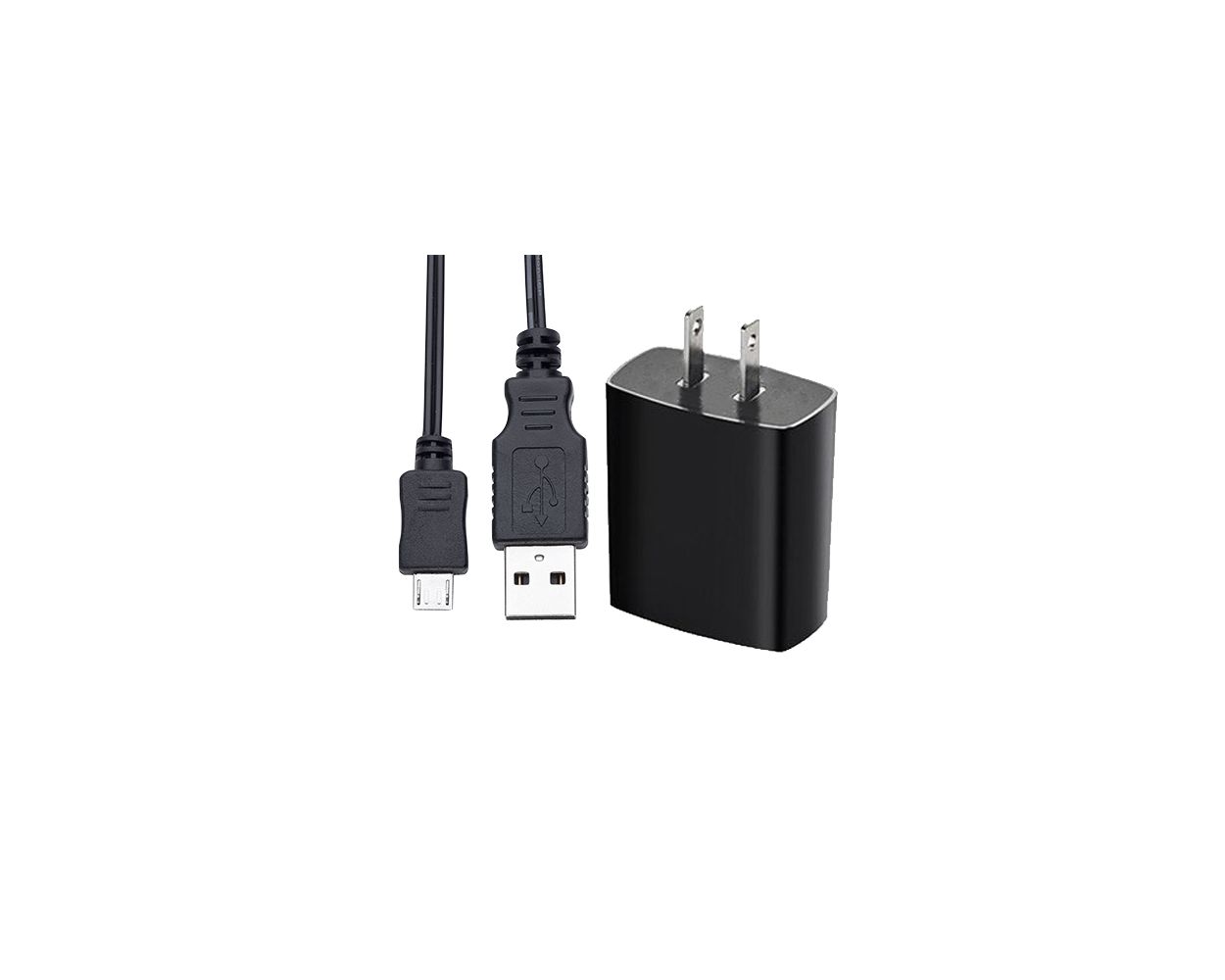
The Hidden Dangers of Cheap USB Chargers: What You Need to Know
While cheap USB chargers may seem like a tempting way to save money, they come with hidden dangers that can compromise the safety of your devices and even pose a risk to personal safety. Most inexpensive chargers do not undergo stringent quality testing, leading to potential issues such as overheating, short-circuiting, and even fires. In fact, a report from the Consumer Product Safety Commission highlights that nearly 30% of reported electronic fires are caused by faulty chargers.
Moreover, using low-quality USB chargers can significantly reduce the lifespan of your devices. These chargers often lack the proper voltage and current regulation, causing inconsistent charging that can damage your battery over time. To ensure the safety and longevity of your electronics, it is advisable to invest in reputable brands or OEM chargers, which not only adhere to the necessary safety standards but also offer reliable performance. Remember, when it comes to USB chargers, skimping on price can lead to costly repercussions in the long run.
Counter-Strike is a popular team-based first-person shooter video game series in which players join either the terrorist or counter-terrorist team. The objective varies depending on the game mode, often involving bomb defusal or hostage rescue. Players must work together strategically to achieve their goals while outmaneuvering the opposing team. If you're also looking for some functionality on the go, check out the Top 10 Car Chargers for Apple Watch for keeping your device charged during your gaming sessions!
How to Choose the Right USB Charger for Your Devices
Choosing the right USB charger for your devices is crucial to ensure efficient charging and to protect your gadgets from potential damage. First, consider the power output of the charger; look for a charger that delivers the appropriate wattage for your device. For example, smartphones typically require 5W, while tablets may need 10W or more. Fast charging capabilities are also essential if you want to minimize downtime. Always check the compatibility of your charger with your device, as using a charger with significantly higher voltage may harm your device.
Another important factor to consider is the type of USB charger you need. There are various options available, including USB-A, USB-C, and Lightning connectors, each tailored to different devices. It's advisable to opt for a charger that supports multiple device types, particularly USB-C chargers, as they are becoming the standard for many modern devices. Additionally, evaluate the build quality and safety features of the charger to avoid overheating issues. By taking these factors into account, you'll be well on your way to selecting the perfect charger for your needs.
Ever Wondered What Makes a USB Charger Fast? Here's the Science Behind It
When it comes to charging our devices, the speed of a USB charger can make a significant difference. The primary factor determining how fast a USB charger works is its output current, measured in amps (A). Typically, chargers provide a range of output, with standard USB ports offering around 0.5A, whereas fast chargers can deliver 2.0A or even higher. This increased current allows for faster charging times, as more power is supplied to the device's battery in a shorter period. Additionally, the voltage, measured in volts (V), plays a role; most USB chargers deliver 5V, but some advanced fast charging technologies can increase voltage, allowing for rapid charging capabilities.
Another essential component that contributes to the speed of a USB charger is the charging protocol. Various manufacturers use proprietary technologies, such as Qualcomm's Quick Charge or USB Power Delivery (PD), to optimize the charging process. These protocols facilitate the communication between the charger and the device, allowing for adjustments in voltage and current based on the device's needs. For instance, when a compatible device is connected, the charger can automatically increase the output to provide maximum power efficiently. Therefore, understanding these technical aspects can help consumers choose the right USB charger that matches both their devices and charging needs.