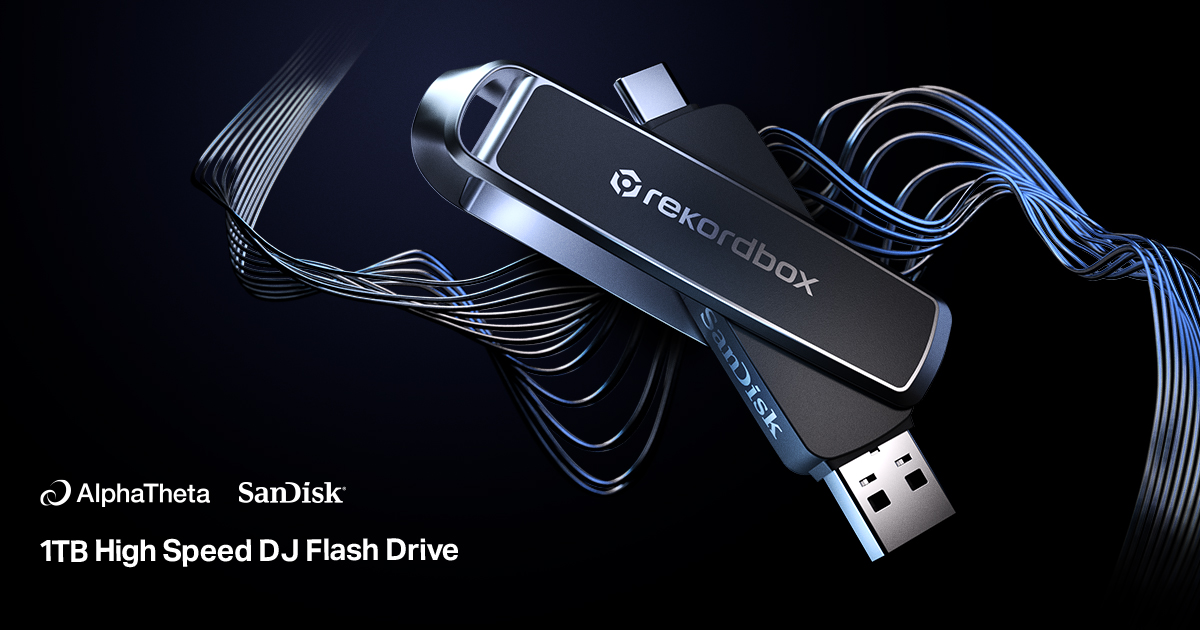
The Evolution of USB: From USB 1.0 to USB-C
The journey of USB technology began in 1996 with the introduction of USB 1.0, which offered data transfer speeds of up to 1.5 Mbps and revolutionized the way devices connected to computers. As technology progressed, USB 2.0 emerged in 2000, significantly enhancing transfer speeds up to 480 Mbps and expanding the range of devices supported. Over the years, the introduction of USB 3.0 in 2008, capable of transferring data at 5 Gbps, and subsequently USB 3.1 in 2013, which introduced SuperSpeed+ at 10 Gbps, further cemented USB as a vital protocol for connectivity. Notably, each iteration maintained backward compatibility, ensuring a seamless transition for users with legacy devices.
By 2014, the release of the USB-C connector marked a turning point in the evolution of USB technology. Unlike its predecessors, USB-C features a reversible design that allows users to plug in the cable in any orientation, enhancing usability. Furthermore, USB-C supports faster data transfer rates with USB 3.2 and USB4, providing speeds up to 40 Gbps, along with power delivery capabilities that enable charging devices at higher wattages. This transformative connector not only streamlines device compatibility but also consolidates various functionalities, paving the way for a future where a single port can handle data, power, and video output.
Counter-Strike is a popular first-person shooter video game franchise that has captivated millions of players worldwide. The game emphasizes teamwork, strategy, and skill, with players divided into two teams, terrorists and counter-terrorists, competing to complete objectives. If you're interested in enhancing your gaming setup, check out the Top 10 charging stations for reliable power solutions during intense gaming sessions.
How USB Technology Revolutionized Connectivity: A Comprehensive Guide
USB technology has fundamentally revolutionized connectivity by providing a standardized method for devices to communicate with each other. Introduced in the mid-1990s, USB (Universal Serial Bus) quickly became the backbone of data transfer between computers and peripherals. This technology not only simplified connections—replacing a plethora of ports and cables with a single versatile solution—but also enhanced transfer speeds significantly. With the advent of USB 3.0 and beyond, connectivity has reached unprecedented speeds, allowing for efficient data exchange and powering devices simultaneously.
Furthermore, the impact of USB technology extends beyond simple data transfer. Connectivity through USB has enabled a new ecosystem of versatile devices such as external hard drives, smartphones, printers, and even household appliances, all designed to work seamlessly together. USB hubs and docking stations have optimized workspace setups, allowing multiple devices to connect with ease. As we continue to see innovations like USB-C and Power Delivery, the future promises even greater transformations in how we connect and interact with technology.
What Makes USB Devices Universal? Exploring Compatibility and Functionality
Universal Serial Bus (USB) devices are celebrated for their remarkable compatibility across a wide range of electronic devices. This versatility is achieved through standardized protocols that ensure seamless communication between devices, whether it's a mouse, keyboard, or external hard drive. The USB standard has evolved over the years, from USB 1.0, which provided basic connectivity, to the latest USB 4.0, which offers faster data transfer rates and improved efficiency. The introduction of different versions, such as USB-C, has further enhanced functionality by allowing reversible connections and supporting power delivery along with data transfer.
Moreover, the inherent functionality of USB devices is deeply rooted in their user-friendly design. Most operating systems recognize USB devices automatically, allowing for easy plug-and-play capabilities. This eliminates the need for additional drivers in many cases, making it accessible for users of all skill levels. Additionally, the universal design means that you can connect various peripherals without worrying about compatibility issues, fostering an ecosystem where devices can easily work together. This combination of standardization and ease of use is what makes USB devices truly universal.