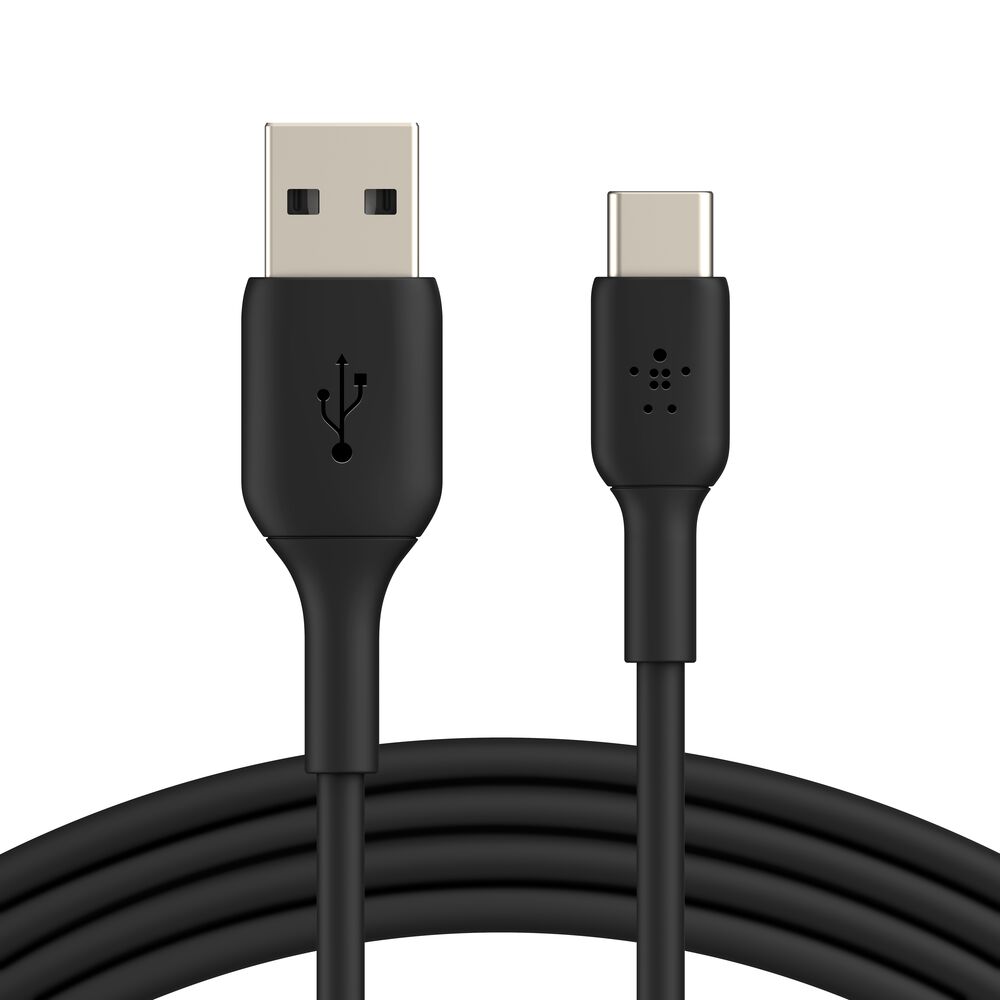
The Advantages of USB-C: Why You Should Make the Switch Today
The introduction of USB-C has revolutionized the way we connect our devices. One of the most notable advantages is its versatility; USB-C supports multiple protocols, including power delivery, data transfer, and video output, all through a single cable. This means you can use the same connector for charging your laptop, transferring files between devices, and connecting to external displays. With the ability to deliver up to 100 watts of power, USB-C eliminates the need for multiple chargers and cables cluttering your workspace.
Another significant advantage of making the switch to USB-C is its reversible design. Unlike previous USB ports, which require you to orient the plug correctly before insertion, USB-C can be plugged in either way. This feature enhances user convenience and reduces wear on both the port and the cable. Additionally, as more manufacturers adopt this universal standard, moving to USB-C ensures compatibility with a wider range of devices, from laptops to smartphones and tablets, making it a future-proof choice for consumers.
Counter-Strike is a popular multiplayer first-person shooter game that pits teams of terrorists against counter-terrorists in objective-based gameplay. With its fast-paced action and strategic depth, players must collaborate and utilize various tactics to secure victory. For gamers looking to enhance their experience, considering Top 10 MacBook Air accessories can make a significant difference in performance and enjoyment.
USB-C vs. Traditional Charging Ports: What You Need to Know
The evolution of charger technology has led to the rise of USB-C, a versatile connector that is quickly becoming the standard for charging devices. Unlike traditional charging ports, which often come with their own specific cables and connectors, USB-C offers a universal solution. This means that a single cable can be used to charge a variety of devices, from smartphones to laptops. With its reversible design, there’s no wrong way to plug it in, making it user-friendly and convenient.
When considering USB-C versus traditional charging ports, it’s essential to assess the speed and efficiency of each option. USB-C supports faster data transfer rates and higher power delivery, which can significantly reduce charging time compared to older port types. According to recent studies, devices using USB-C can charge up to 50% faster, enhancing user experience. However, if you still use legacy devices, it may be beneficial to keep a traditional charger on hand until USB-C fully replaces older technology.
Is USB-C the Future of Charging? Exploring Its Impact on Technology
The advent of USB-C has marked a significant shift in the charging landscape, promising a unified solution for power delivery across a wide array of devices. Unlike its predecessors, USB-C connectors are reversible and support faster data transfer rates, making them an appealing choice for consumers and manufacturers alike. As more devices—ranging from smartphones to laptops—adopt this versatile standard, it's becoming increasingly clear that USB-C is not just another technological trend, but a potential cornerstone of future charging solutions.
Furthermore, the impact of USB-C extends beyond just convenience and speed; it also addresses environmental concerns. By consolidating multiple charging cables and adapters into one universal standard, USB-C reduces electronic waste and simplifies the user experience. According to various studies, a significant reduction in the number of chargers can lead to a decrease in carbon footprint, aligning with global sustainability goals. As tech giants and regulatory bodies advocate for this standard, it's evident that USB-C is poised to play a pivotal role in the future of charging technology.