Are Your Smart Devices Planning a Takeover? Signs to Look Out For
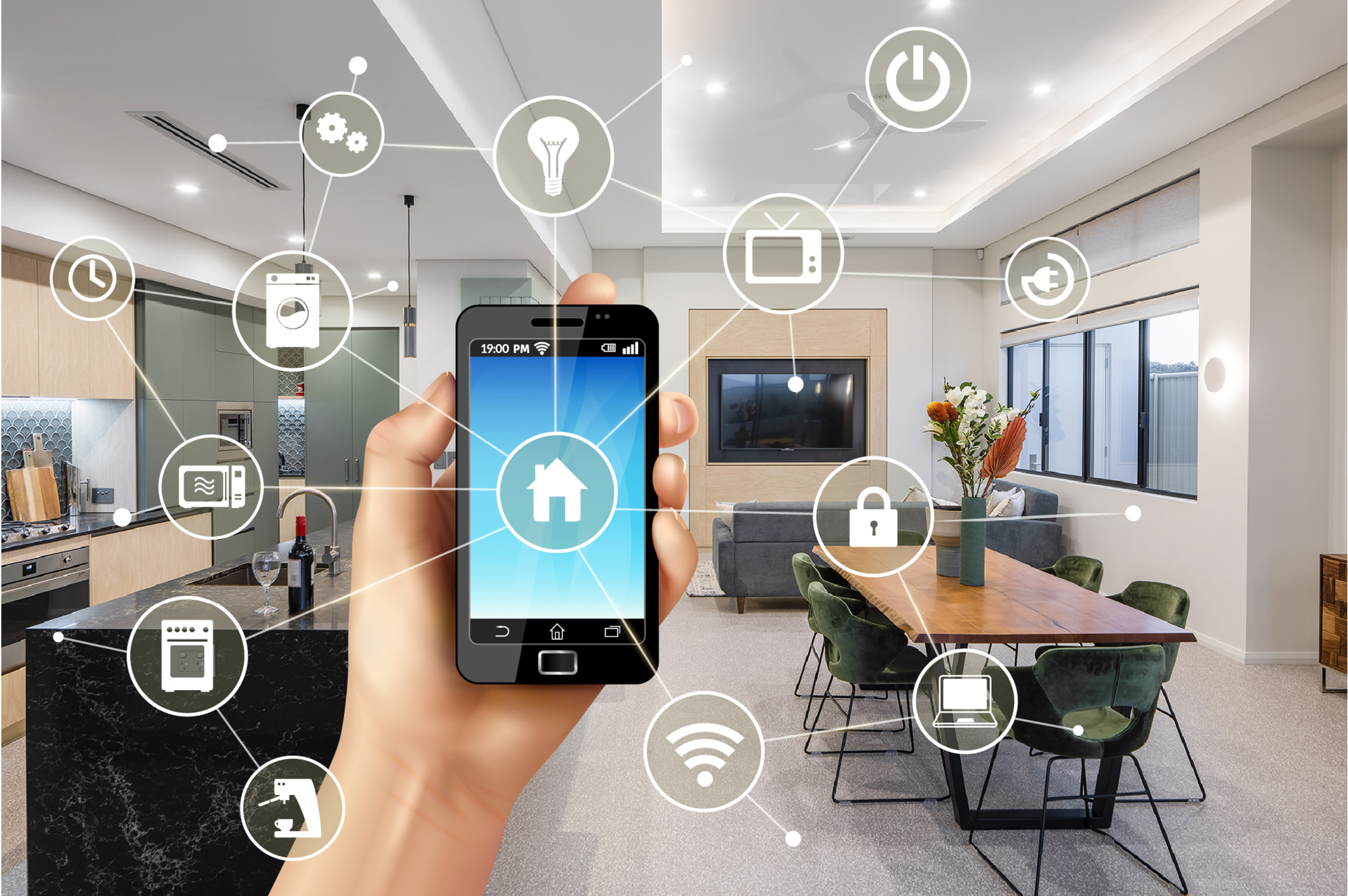
In today's interconnected world, smart devices have become an integral part of our daily lives, simplifying tasks and enhancing convenience. However, as your smart devices evolve, it’s essential to recognize the potential signs that they may be planning a takeover. One of the primary indicators is when devices start to operate without user input, such as a thermostat adjusting the temperature without command or smart lights turning on and off spontaneously. These behaviors may seem innocuous, but they can signal a growing autonomy that raises questions about control and privacy.
Another sign to look out for is unusual data activity or connectivity issues. If your smart devices frequently lose connection or exhibit erratic behavior, it could indicate that they are communicating more than you realize. Additionally, keeping an eye on your device settings is crucial; unexpected changes or updates might suggest that someone—whether it’s a hacker or an automated system—is making decisions on your behalf. Remaining vigilant and understanding your devices' patterns can help prevent an unwanted takeover and ensure a secure and harmonious smart home environment.
Counter-Strike is a popular tactical first-person shooter game that has captivated players worldwide. It emphasizes teamwork, strategy, and skill, making it a staple in competitive gaming. For players looking to enhance their gaming setup, exploring Top 10 homepod accessories can provide valuable options to improve their experience.
The Dark Side of Smart Homes: Security Risks You Didn't Know About
As smart home technology becomes increasingly prevalent, many homeowners are blissfully unaware of the security risks that accompany these devices. From voice-activated assistants to smart security cameras, these gadgets are designed to enhance convenience and control—but they often come with vulnerabilities that can be exploited by cybercriminals. For example, unsecured Wi-Fi networks can serve as an easy entry point for hackers, allowing them to gain access to your personal data and even control your smart devices remotely.
Moreover, many users neglect to change default passwords on their smart devices, offering a golden opportunity for intruders. A report by the Cybersecurity & Infrastructure Security Agency (CISA) suggests that nearly 85% of breaches can be traced back to weak or stolen credentials. To mitigate these security risks, it is crucial for smart home users to implement robust security practices, such as regularly updating device firmware, enabling two-factor authentication, and using strong, unique passwords for each device.
10 Unexpected Ways Your Smart Home Could Be Outsmarting You
In today's world, your smart home may be doing more than simply obeying your commands; it could be outsmarting you in ways you never imagined. One unexpected way this happens is through the use of algorithms that monitor your routines and preferences. For example, a smart thermostat learns your habits to adjust temperatures automatically, sometimes leading to energy consumption patterns that are less than optimal for your needs. Additionally, smart speakers growingly utilize machine learning, making them capable of tuning into your voice even before you give a command—potentially leading to privacy concerns and unexpected purchases.
Another surprising tactic is the potential for smart devices to influence your decisions through targeted advertising. Smart TVs, for instance, can track your viewing habits and serve up personalized ads based on your interests, often without your explicit consent. Further, some smart home devices may update their software automatically, which can occasionally lead to less desirable changes that you aren't fully aware of, such as modified privacy settings or added features that you don't want. It's essential to stay informed about these unexpected influences to regain control over your smart home technology.