Silicone in Everyday Life: How This Versatile Material Influences Our Daily Routines
Silicone is an incredibly versatile material that has found its way into many aspects of everyday life. From flexible cooking utensils to durable smartphone cases, silicone is appreciated for its resilience and heat resistance. Its unique properties make it ideal for various applications, including:
- Kitchenware: Silicone baking mats and molds are widely used in cooking and baking, allowing for easy release and clean-up.
- Personal Care: Many beauty tools, such as makeup sponges and brushes, are crafted from silicone, providing a blend of comfort and effectiveness.
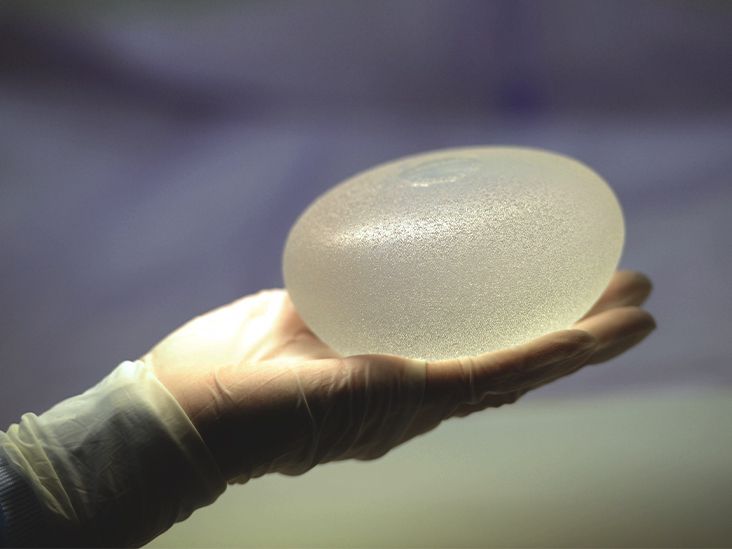
- Medical Devices: Silicone is often used in prosthetics and implants, thanks to its biocompatibility and safety for human use.
The advantages of silicone over traditional materials like rubber or plastic are profound. Not only is silicone resistant to extreme temperatures, but it also maintains flexibility, making it ideal for items that require a long lifespan. Additionally, its non-toxic nature ensures safety in consumer products, making it a family-friendly choice. As households increasingly prioritize sustainability, the durability of silicone also contributes to less waste, as silicone products often outlast their plastic counterparts. This highlights the growing trend of incorporating silicone into daily routines for a more efficient and eco-friendly lifestyle.
Counter-Strike is a popular team-based first-person shooter game that has garnered a massive following within the gaming community. Released initially in 1999, it has evolved through several versions, with Counter-Strike: Global Offensive being the most current and widely played. Players can engage in various game modes, focusing on strategy, teamwork, and skill. For players looking to enhance their gaming experience, consider exploring the Top 10 Lightweight Apple Watch Bands to find accessories that complement their gameplay setup.
The Science Behind Silicone: What Makes This Material So Unique?
Silicone is a remarkable synthetic material that has gained immense popularity in various industries due to its unique properties. Composed of silicon, oxygen, carbon, and hydrogen, silicone distinguishes itself from other materials thanks to its flexibility, durability, and thermal stability. Unlike plastics, silicone can withstand extreme temperatures, ranging from -100°F to 500°F (-73°C to 260°C), making it ideal for both high-heat cooking utensils and freezing applications. Additionally, its resistance to ultraviolet (UV) radiation and moisture helps prevent degradation over time, ensuring a long lifespan for silicone products.
Moreover, the inherent biocompatibility of silicone makes it suitable for medical applications, including implants and prosthetics. Manufacturers often utilize silicone in various forms, such as gels, rubbers, and resins, each tailored to specific uses. This versatility extends to consumer goods, where silicone is popular in baking mats, kitchenware, and baby products. Its non-stick surface and ease of cleaning further enhance its desirability, catering to the modern consumer's needs. As science continues to innovate, the unique properties of silicone will likely lead to even more applications, solidifying its status as a material of choice in diverse fields.
Silicone Dreams: The Future of Innovation and Sustainability in Material Science
Silicone is rapidly emerging as a cornerstone in the realms of innovation and sustainability within material science. Renowned for its versatility, durability, and eco-friendliness, silicone is being integrated into a wide array of applications, from consumer products to industrial uses. One of the most promising aspects of silicone is its potential to replace less sustainable materials, reducing the overall environmental footprint. Innovators are exploring ways to harness this material, making it not only a flexible option for engineers but also a sustainable choice that aligns with modern consumers' demands for greener alternatives.
Moreover, the future of silicone in material science suggests a shift toward closed-loop systems where end-of-life products can be efficiently reused or recycled. As research progresses, scientists are developing bio-based silicones that offer similar performance without the negative impacts associated with traditional petroleum-based products. This paradigm shift supports a circular economy, where waste is minimized, and resources are utilized more effectively. The potential for silicone to support both innovation and sustainability positions it as a pivotal material for future advancements in various industries.