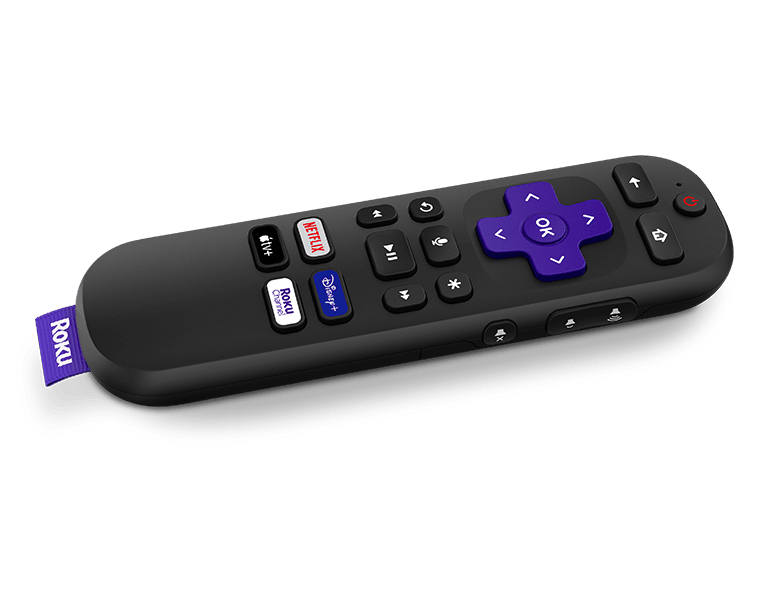
Exploring the Benefits of Remote Technology: How to Take Control of Your Life
In today's fast-paced world, remote technology has revolutionized how we work and live. The ability to connect with colleagues, clients, and friends from anywhere allows for a flexible lifestyle that was once unimaginable. One of the primary benefits of this technology is the freedom it provides. With remote access to essential tools and resources, individuals can manage their work schedules better, prioritize personal commitments, and create a work-life balance that suits their needs.
Moreover, embracing remote technology empowers individuals to take control of their lives in various ways. For example, it can lead to enhanced productivity, as people can choose their preferred working environments, resulting in increased focus and efficiency. Additionally, the cost savings associated with remote work—such as reduced commuting expenses and the ability to live in more affordable areas—can contribute to a better quality of life. By leveraging these advancements, you can transform your daily routine and ultimately seize control of your future.
Counter-Strike is a popular tactical first-person shooter game that pits teams of terrorists against counter-terrorists in various objective-based missions. With a strong emphasis on teamwork and strategy, players engage in thrilling matches that have made it a staple in the esports community. For gamers looking to enhance their setup, check out the Top 10 iPad Accessories for Remote Work to improve productivity and gameplay experience.
10 Essential Remote Tools to Boost Your Productivity and Well-Being
In today's fast-paced digital world, remote tools have become a cornerstone of productivity and well-being for both individuals and teams. With the right tools at your fingertips, you can streamline your workflow, improve collaboration, and maintain a healthy work-life balance. Here are 10 essential remote tools that can help you boost your productivity:
- Trello: A visual project management tool that lets you organize tasks and collaborate with your team.
- Slack: A communication platform that keeps your team connected in real-time through channels and direct messaging.
- Zoom: A reliable video conferencing tool that facilitates face-to-face meetings regardless of location.
- Notion: An all-in-one workspace for notes, tasks, and databases that adapts to your personal or team needs.
- Google Drive: A cloud storage service that allows you to store and share documents easily.
- Asana: A task management software designed to help teams organize projects and track progress efficiently.
- RescueTime: A productivity tracker that analyzes how you spend your time and offers insights for better focus.
- Forest: An app that promotes focus by encouraging you to stay off your phone and be productive.
- Calm: A wellness app that aids in meditation and relaxation, essential for maintaining mental well-being.
- Toggl: A time-tracking tool that helps you understand where your time is going and how to allocate it effectively.
Is Remote Technology Making Us Control Freaks? A Deep Dive into Its Impacts
In recent years, the rise of remote technology has revolutionized the way we work, offering unparalleled flexibility and connectivity. However, this shift has also led to a growing concern: is remote technology making us control freaks? The ability to monitor projects in real-time and communicate instantaneously can create a sense of over-dependence on digital tools. As organizations increasingly rely on software for productivity tracking and employee performance evaluations, individuals may find themselves feeling pressured to maintain constant visibility and control over their tasks. This phenomenon raises important questions about trust and autonomy in the remote working environment.
Furthermore, the psychological effects of this heightened connectivity cannot be ignored. Workers who feel micromanaged by their digital tools may experience increased stress and anxiety, leading to diminished job satisfaction. According to a recent survey, remote technology has been shown to blur the lines between work and personal life, resulting in burnout among employees. To mitigate these risks, it's crucial for both employers and employees to establish clear boundaries and prioritize mental well-being amidst the digital landscape. By doing so, we can foster a healthier relationship with remote technology, preventing it from turning us into control freaks, and promoting a more balanced approach to work.